Physical Address
304 North Cardinal St.
Dorchester Center, MA 02124
Physical Address
304 North Cardinal St.
Dorchester Center, MA 02124

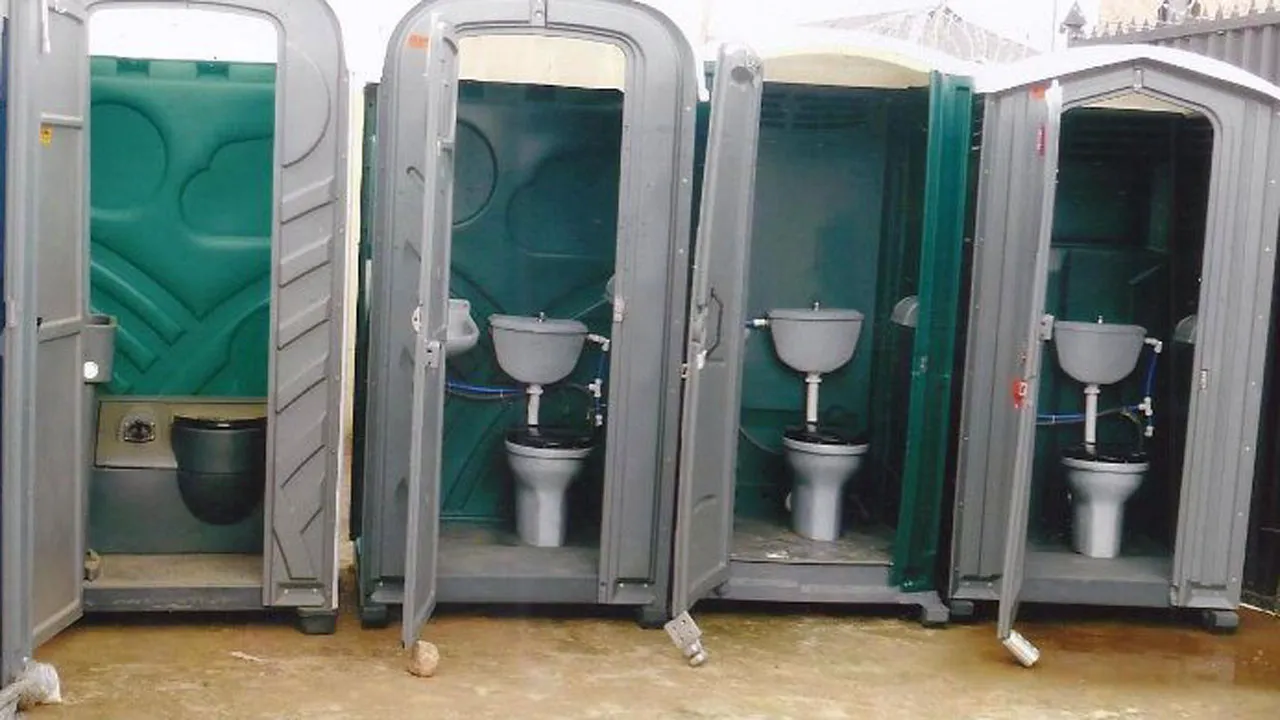
Lagos govt urges banks, eateries and filling stations to open their toilets to the public as it marks World Toilet Day 2026 and pushes for an open defecation-free state.
The Lagos State Government has called on banks, eateries and filling stations to open their toilet facilities to members of the public, as part of efforts to expand access to safe and hygienic sanitation across the state.
The Special Adviser to the Governor on Environment, Olakunle Rotimi-Akodu, made the appeal at the 2026 World Toilet Day celebration held at ASSBIFI House, Alausa, Ikeja.
In a statement issued on Saturday by the Director of Public Affairs, Ministry of the Environment and Water Resources, Kunle Adeshina, Rotimi-Akodu said private-sector participation would complement government efforts and widen access to decent toilets in busy urban communities.
Speaking on this year’s theme, “Sanitation and Gender Equality,” he described access to safe, hygienic toilets as a matter of human dignity, personal security and social inclusion, not merely an infrastructure or environmental concern.
He noted that poor sanitation affects women and girls most, exposing them to insecurity, harassment and difficulties with menstrual hygiene management.
According to him, the lack of safe, private and clean toilets in schools, workplaces, markets, transport terminals and healthcare facilities can erode women’s confidence, school attendance, economic productivity and overall well-being.
“Genuine gender equality cannot be achieved without addressing the structural inequalities that limit access to adequate sanitation,” he said.
Rotimi-Akodu disclosed that Lagos currently has more than 1,769 functional public toilet facilities. The state is also building 200 public toilets, 80 bathrooms, 100 urinals and 160 handwashing basins across its five divisions.
He said these projects are part of the government’s roadmap to making Lagos open defecation-free.
The special adviser added that public toilets must meet standards of safety, accessibility, privacy, cleanliness and gender responsiveness, with special consideration for women, children, older persons and people living with disabilities.