Physical Address
304 North Cardinal St.
Dorchester Center, MA 02124
Physical Address
304 North Cardinal St.
Dorchester Center, MA 02124
EndSARS remains relevant because of the gap between the hope raised in October 2020 and the reforms still needed to meet it.
The night everything changed
Tuesday, 20 October 2020 is one of the darkest dates in the story of the EndSARS movement, and Lagos has not forgotten it.
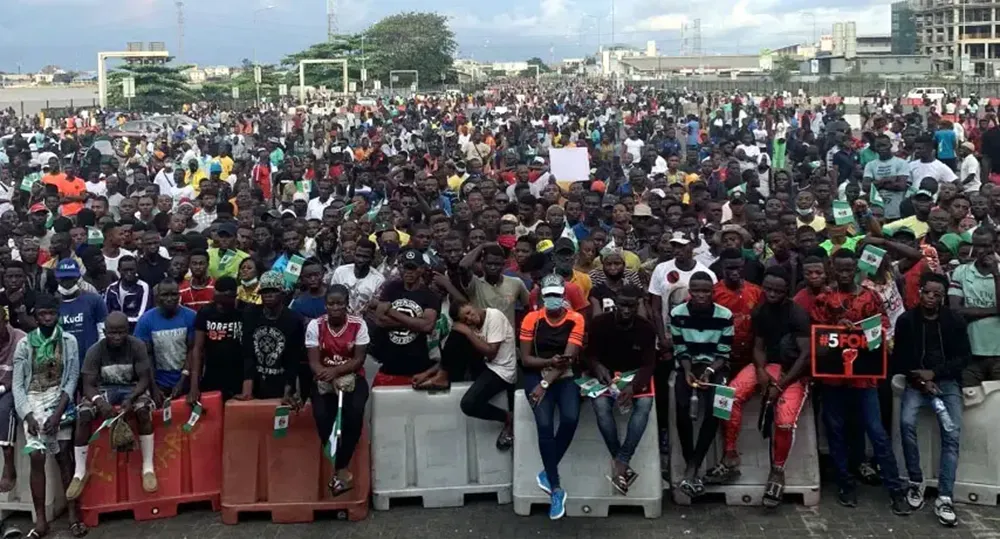
For days, young Nigerians had gathered at the Lekki Toll Gate. They sang, shared food, gave first aid, filmed, reported and kept watch. The toll gate had become the face of a movement demanding an end to police brutality, and it drew protesters, volunteers, journalists and ordinary citizens who believed in the cause.
That evening, after a curfew was announced, soldiers arrived at the site. Witnesses and human rights organisations say security personnel opened fire on the protesters. Amnesty International said its investigation found that security forces killed protesters at Lekki and Alausa that night. The Nigerian Army disputed claims that it fired live ammunition at Lekki.
Grief and outrage followed, along with calls for an independent investigation. Videos, photographs and eyewitness accounts spread around the world and put Lagos at the centre of a global conversation about police brutality, the right to peaceful assembly and the use of force by state agencies.
The Lagos State Judicial Panel of Inquiry later examined what happened. Its report found that soldiers and police officers shot at unarmed protesters, and it described the incident as, in context, a massacre. It also raised serious concerns about how evidence was handled and recommended accountability measures. The authorities have disputed parts of these findings, and the full human cost of that night is still debated.
But this night cannot be reduced to statistics or political point-scoring. It lives in the fear, the injuries, the bereavement and the questions that remain unanswered for the people who stood there, who watched from afar, or who lost someone.
For grieving families, for survivors still carrying their injuries, and for everyone still waiting for answers, 20 October is more than an anniversary. It is a reminder of what it costs when grievances are met with force rather than dialogue, accountability and respect for basic rights.
Beyond Lekki: what followed
The story did not end at the toll gate.
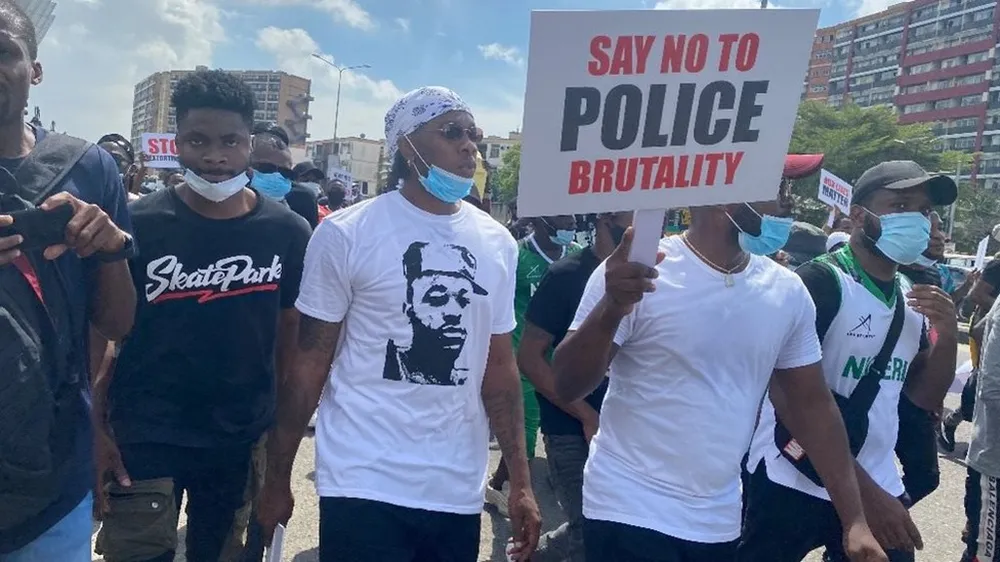
In the days afterwards, Lagos and other parts of Nigeria saw violence, destruction of property, attacks on public facilities and clashes with security agencies. Businesses were damaged, public infrastructure was hit, and many residents lived through disruption and fear. Security personnel and civilians were also injured or killed during the unrest.
Remembering this is part of telling the whole story. Acknowledging the violence does not weaken the legitimacy of peaceful demands for police accountability. And honouring the protesters’ grievances should not mean overlooking the suffering of others who were harmed.
Judicial panels of inquiry were then set up in several states to look into allegations of police brutality and related abuses. In Lagos, the panel received petitions from victims and families, reviewed evidence and made recommendations on accountability and compensation. For some victims, it was a chance to be heard and to seek redress. Yet human rights organisations kept raising concerns about the slow pace of justice, the implementation of recommendations, and the need to hold those responsible to account.
The question that hung over everything was whether the protests would produce lasting change, or whether the same grievances would keep driving Nigerians to the streets.
What EndSARS changed
EndSARS changed how many Nigerians think about civic participation, digital activism and collective action.
Still, visibility alone is not a legacy. Disbanding SARS was a vital demand, but renaming or restructuring a police unit does not amount to reform.
Lasting change means effective investigations into misconduct, transparent disciplinary processes, independent oversight, real access to justice for victims, better training, and proper welfare for officers. It means institutions that protect citizens’ rights while letting security personnel do their jobs professionally.
EndSARS remains relevant because of the gap between the hope raised in October 2020 and the reforms still needed to meet it.